
Print Is Back
VIBE returns to the newsstand for the first time since 2014 — with A$AP Rocky on the cover.
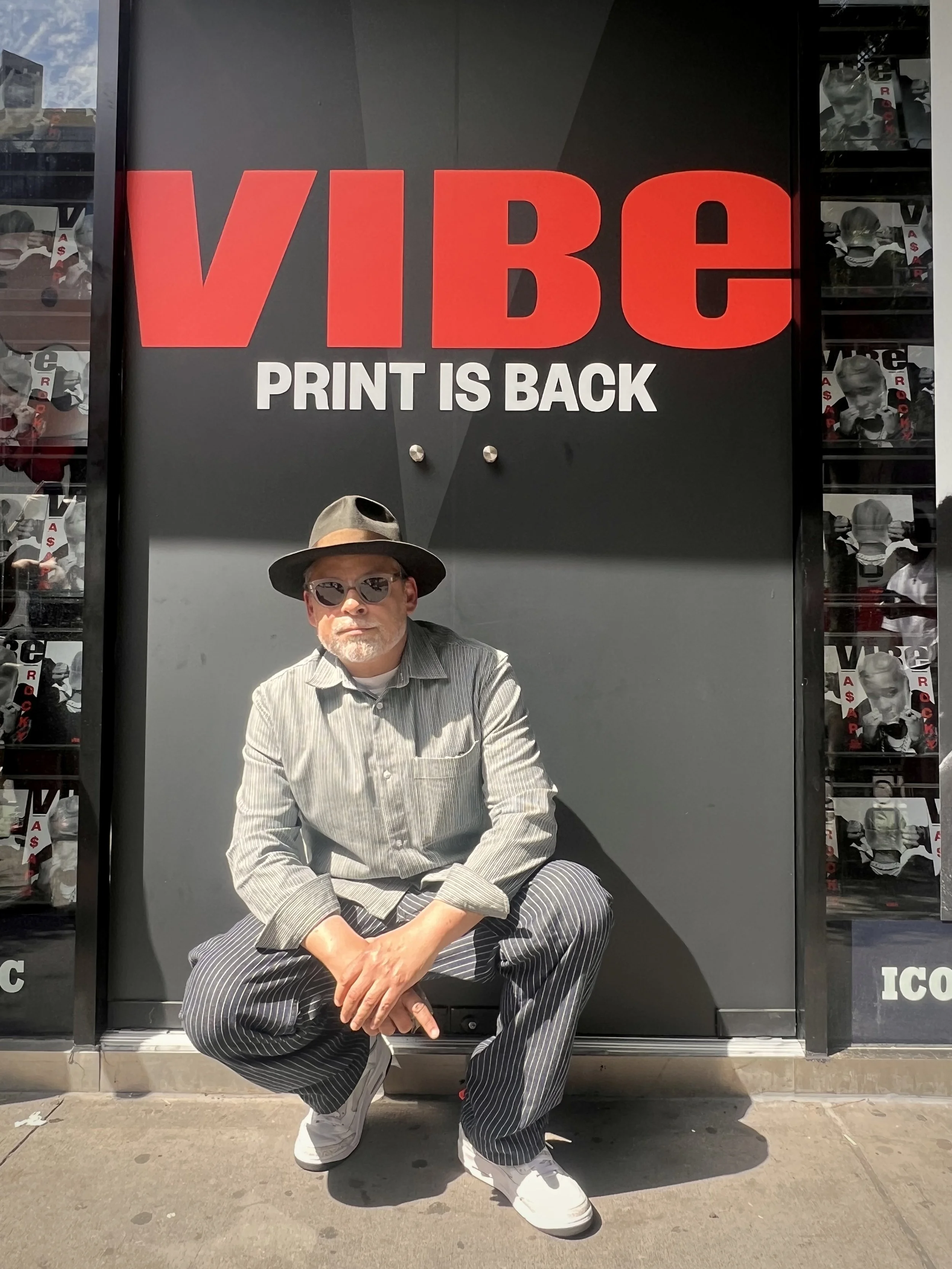
There it is on the newsstand: the VIBE logo in red, Print Is Back underneath in white, and the actual issue racked in rows up and down on either side. A physical object again — a thing you can hold. For a title that had lived only online since 2014, that wall is the whole story before you turn a single page: print is back, and it's back with weight.
I shot the cover.
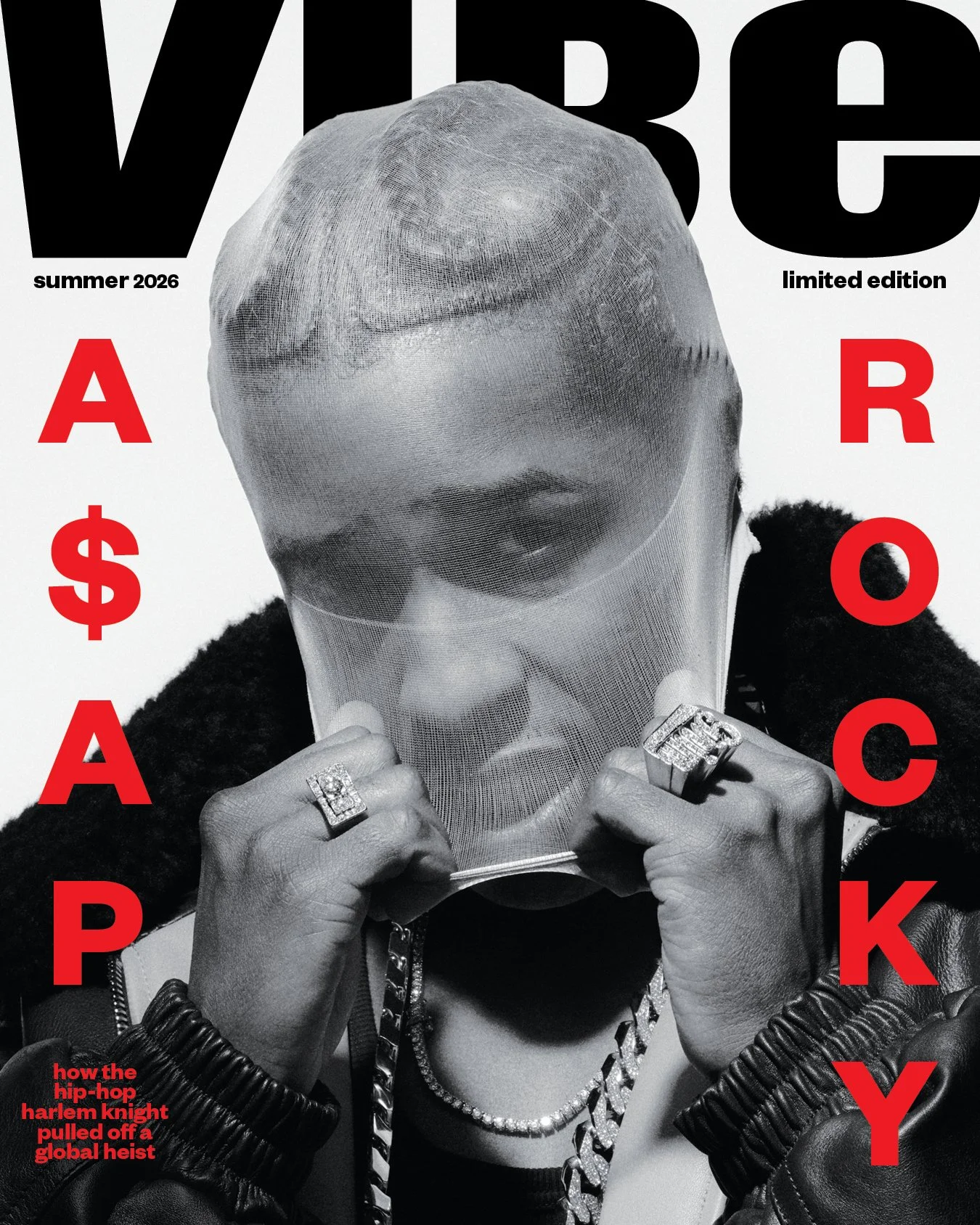
A$AP Rocky. VIBE, summer 2026.
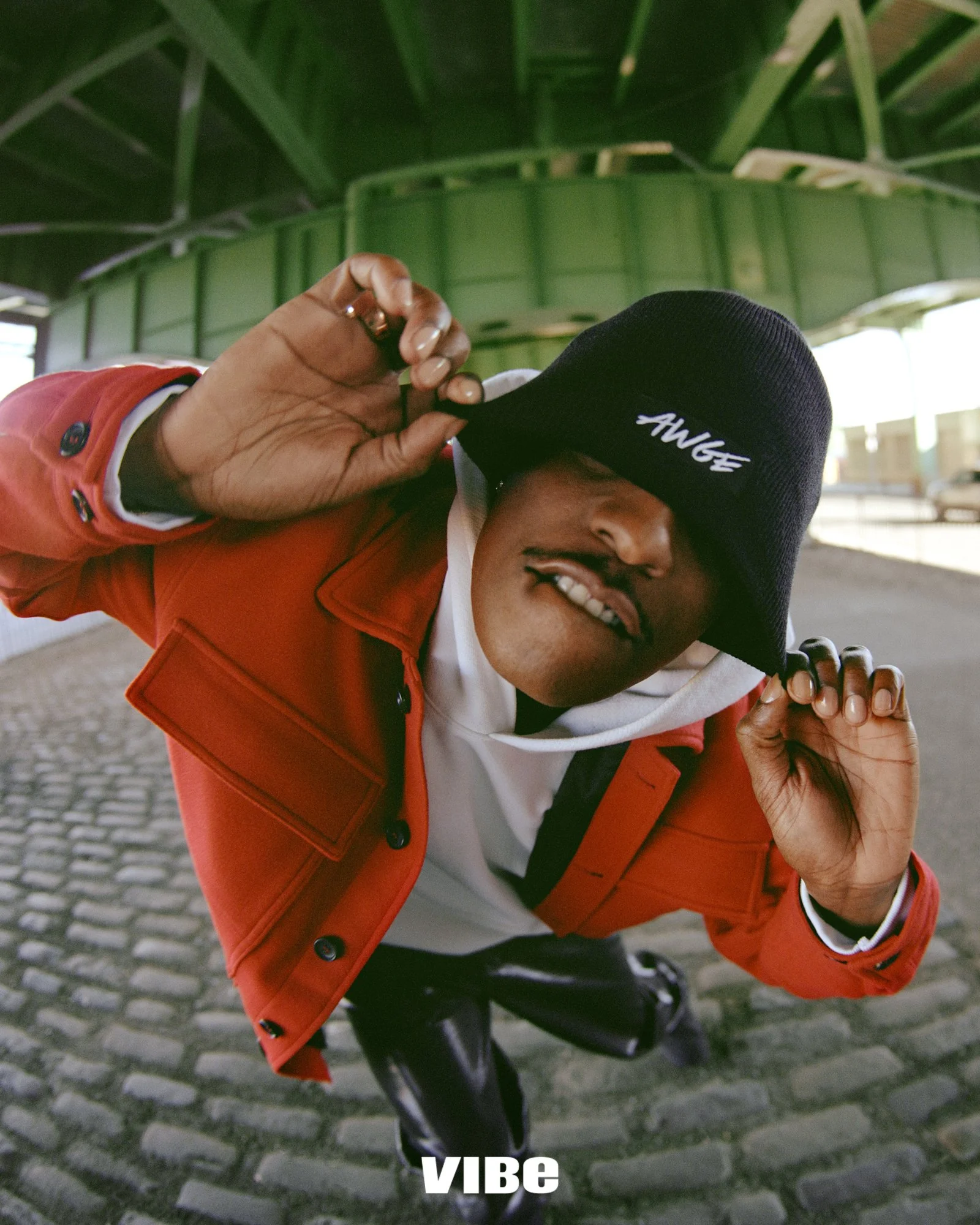
Red on green
The story opens and closes in the same place: under the Gowanus, red against green.
The first frame is a figure stepping into the lens, both hands to the hat, motion caught mid-decision. The last is that same red against that same green steel, arms stretched wide — the shoot come full circle to where it began.
Jamil GS ©
One underpass, one chord. I saw the color before he stepped in — the green of the steel, the red he'd wear against it — and built the frame around it. The subject walks into a picture that already exists. That's the job. Everything between those two frames is the body of the story.
The pieces
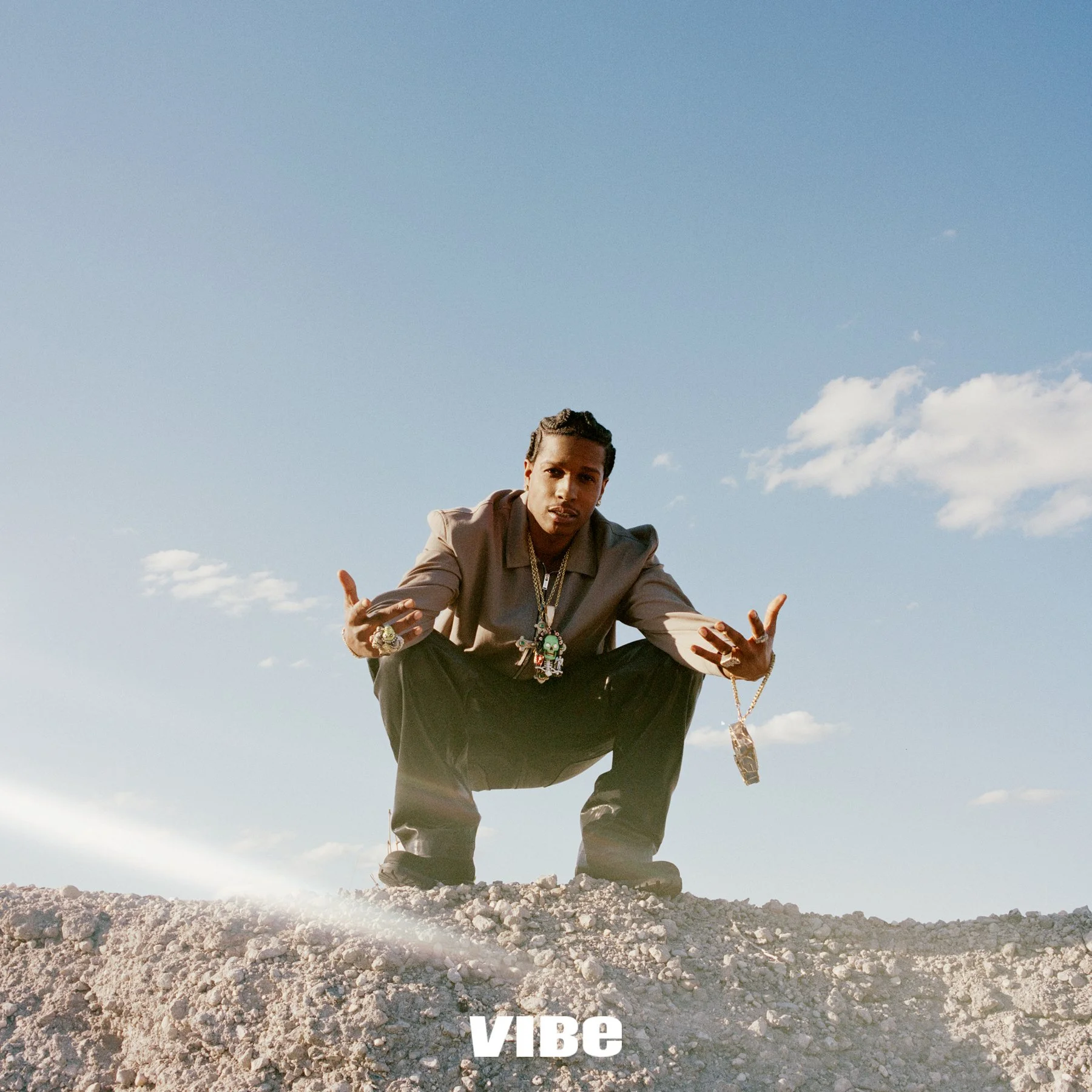
Top down, skyline washed out behind him, hands flashing to the camera. He wanted the rings in the frame — and they earn it.
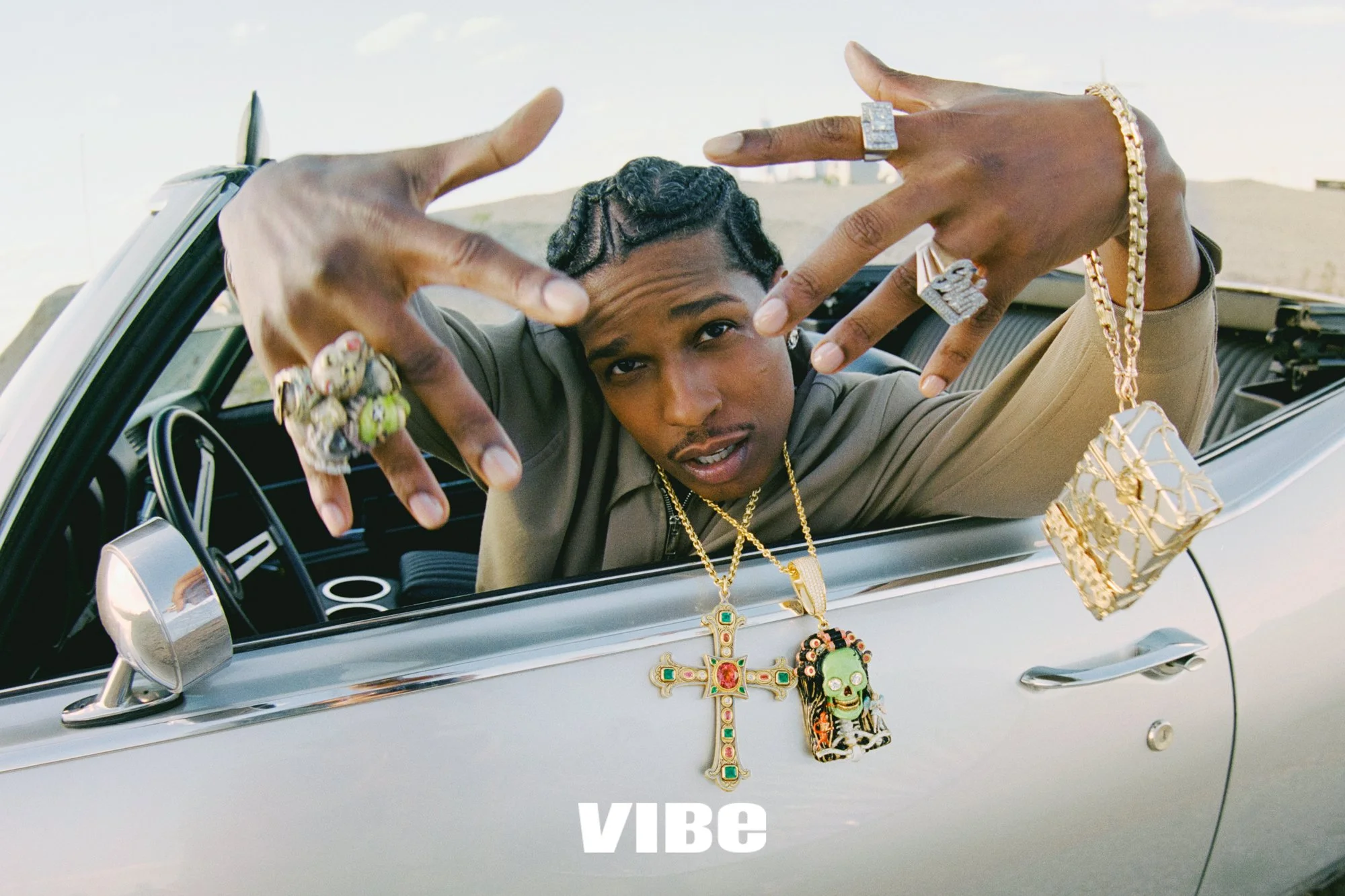
They come out of his Don't Be Dumb era: the alter egos and the "ghetto expressionism" he built out with Tim Burton, made real in metal. He had them cut by A. Codognato — the Venetian house that's been carving skulls and memento mori into gold since 1866 — bespoke, handmade rings in gold, enamel, and diamond, each one a different persona from the album, released under his own line, PAVĒ NITEŌ. Theatrical, dark, and old as the city that made them.
But I saw the pride before I saw the jewelry. The pose is all him; I just kept the lens wide enough to let it breathe.
The fisheye does what it does out here — pulls the whole block into the frame, bends the horizon, gives the city a curve. On the sand mound at the edge of the water, he's crouched, open-handed, welcoming.
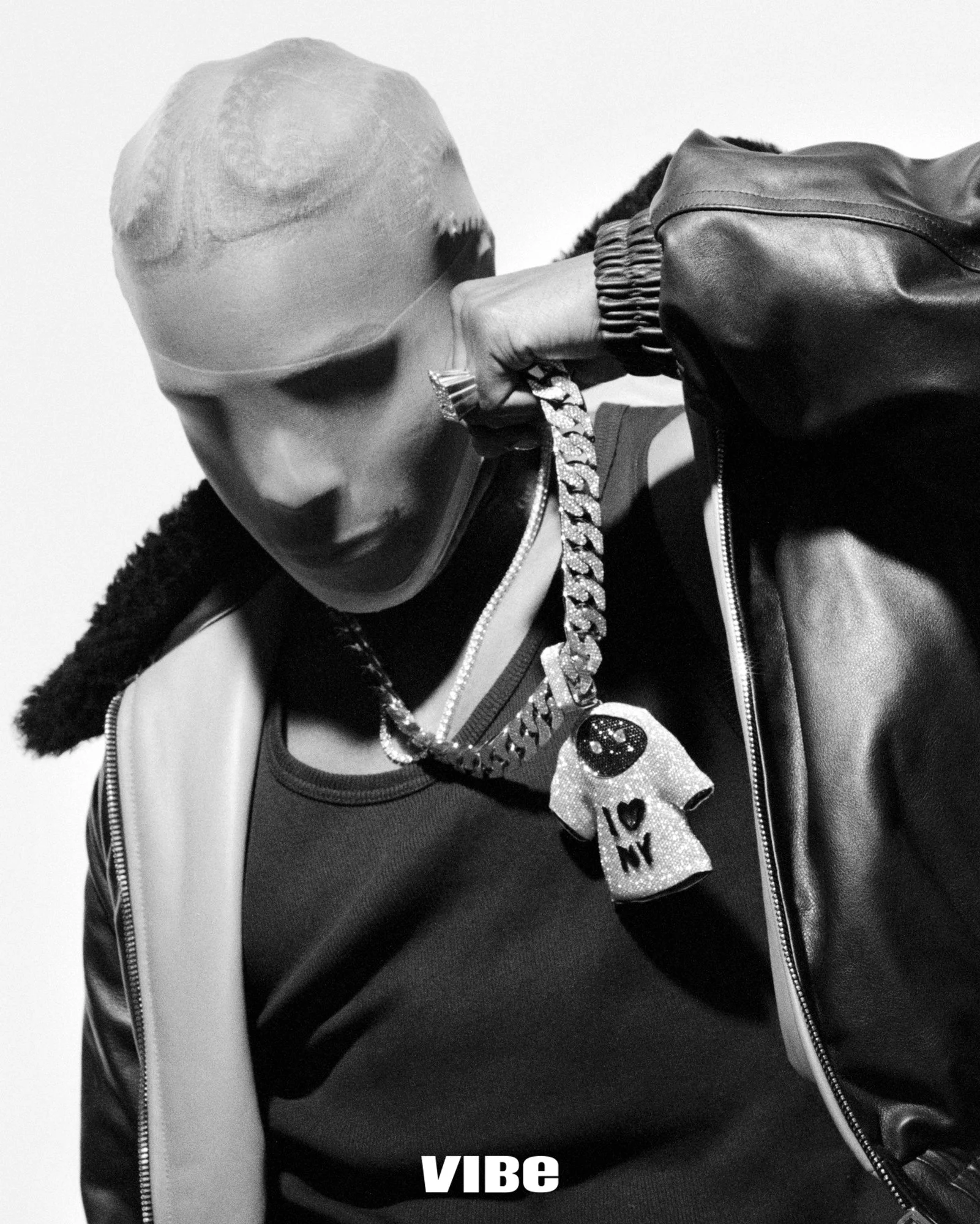
In the black-and-white studio frame, chains and leather, the register drops to something quieter and harder. Different tempers of the same afternoon.
The pose
There's a pose I've asked for my whole career. Arms out, wide open, ready to take the whole thing.
It goes back to my father, in Times Square. The first roll of color film I ever shot, on my first camera, I pointed at him. He's where my eye comes from — that first frame, and every frame since has been a version of it.
I've asked for the arms-out pose from Jay-Z. From Nas. From D'Angelo. And now from Rocky, under the Gowanus, red on green, ready to grasp the world.
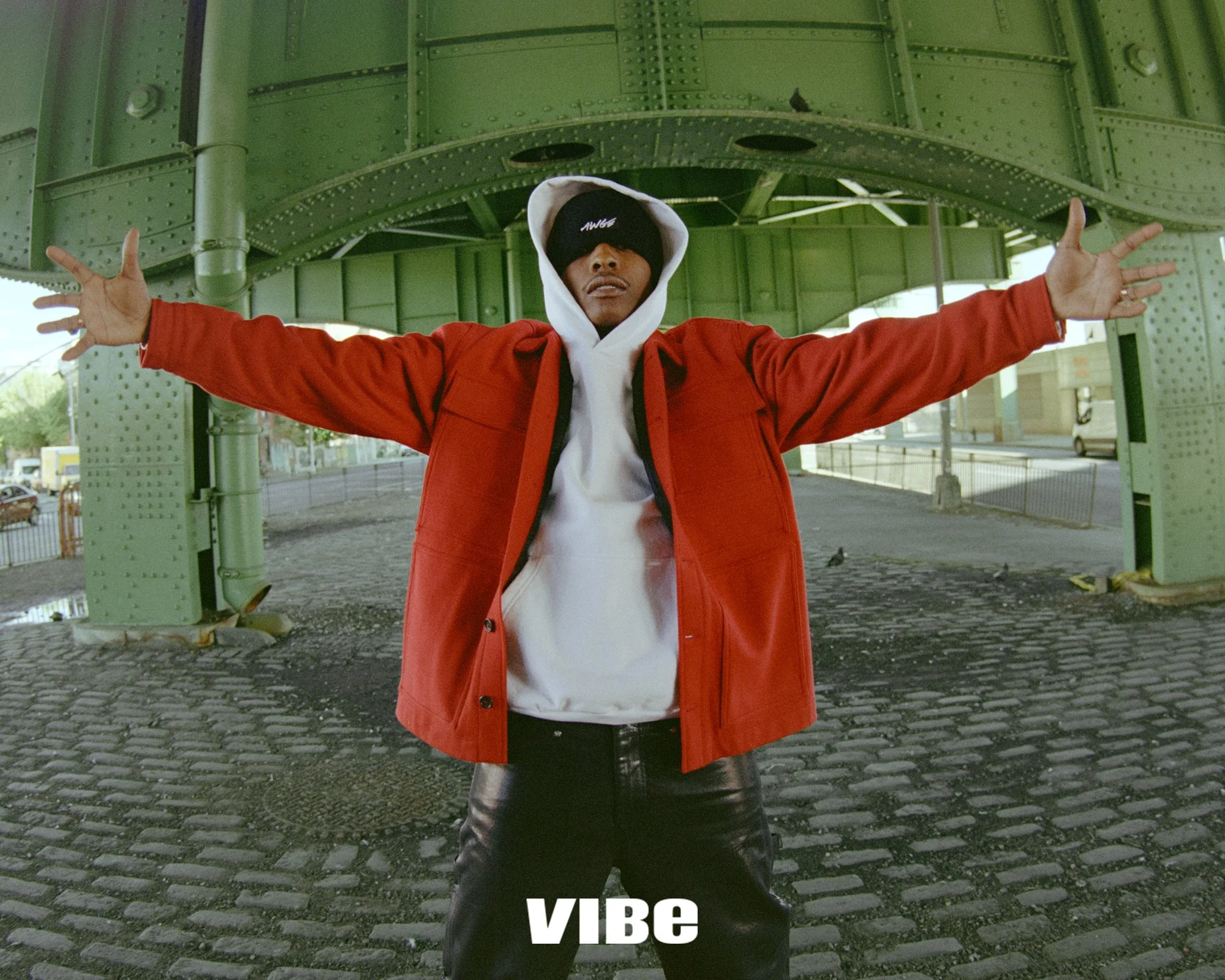
The pose is the throughline. It's how you can tell the archive and the work I'm making right now are the same continuous gesture — one long reach that started with my father and hasn't stopped.
Print is back
VIBE mattered because it was on paper. It sat on coffee tables, got passed hand to hand, went yellow at the edges and stayed. Bringing it back to print isn't nostalgia — it's putting the culture back into an object that lasts.
I'm proud to have shot the frame that announces it.
I don't usually stand in front of the lens. But I went down to the newsstand and sat with it — the cover blown up on the wall, the actual issues racked in rows on either side. Print, back where it belongs. For once I let someone point the camera at me.
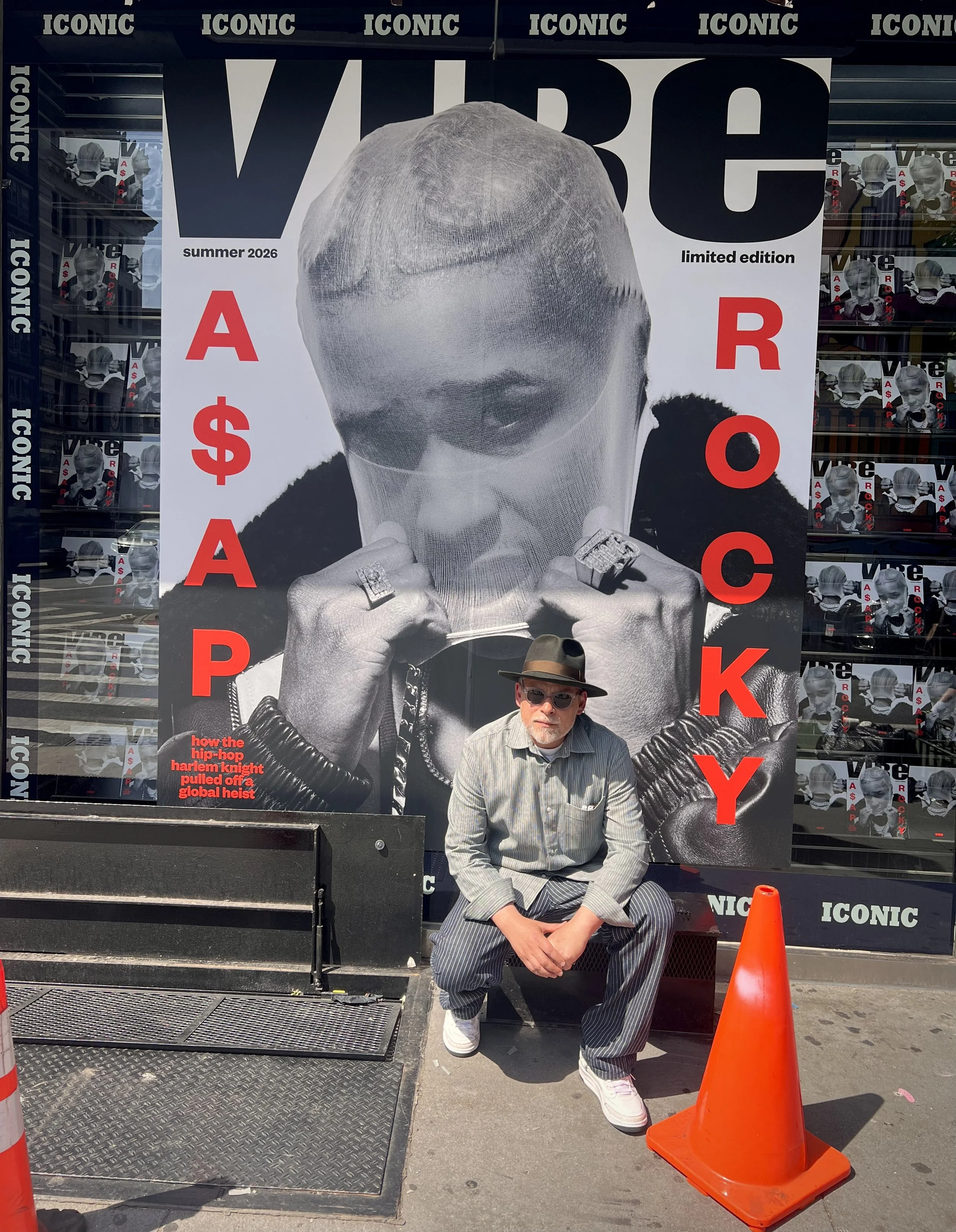
A$AP Rocky for VIBE. The return to print.
Jamil GS is a photographer whose work has documented Hip Hop and its visual culture across three decades.
LWID — Vinterjazz 2026: Migration, Memory & the Making of Jazz in Denmark
LWID’s Vinterjazz 2026 feature connects migration, memory, and Jazz in Denmark—through Sahib Shihab and the continuum that follows. Jazz → Hip Hop → now.
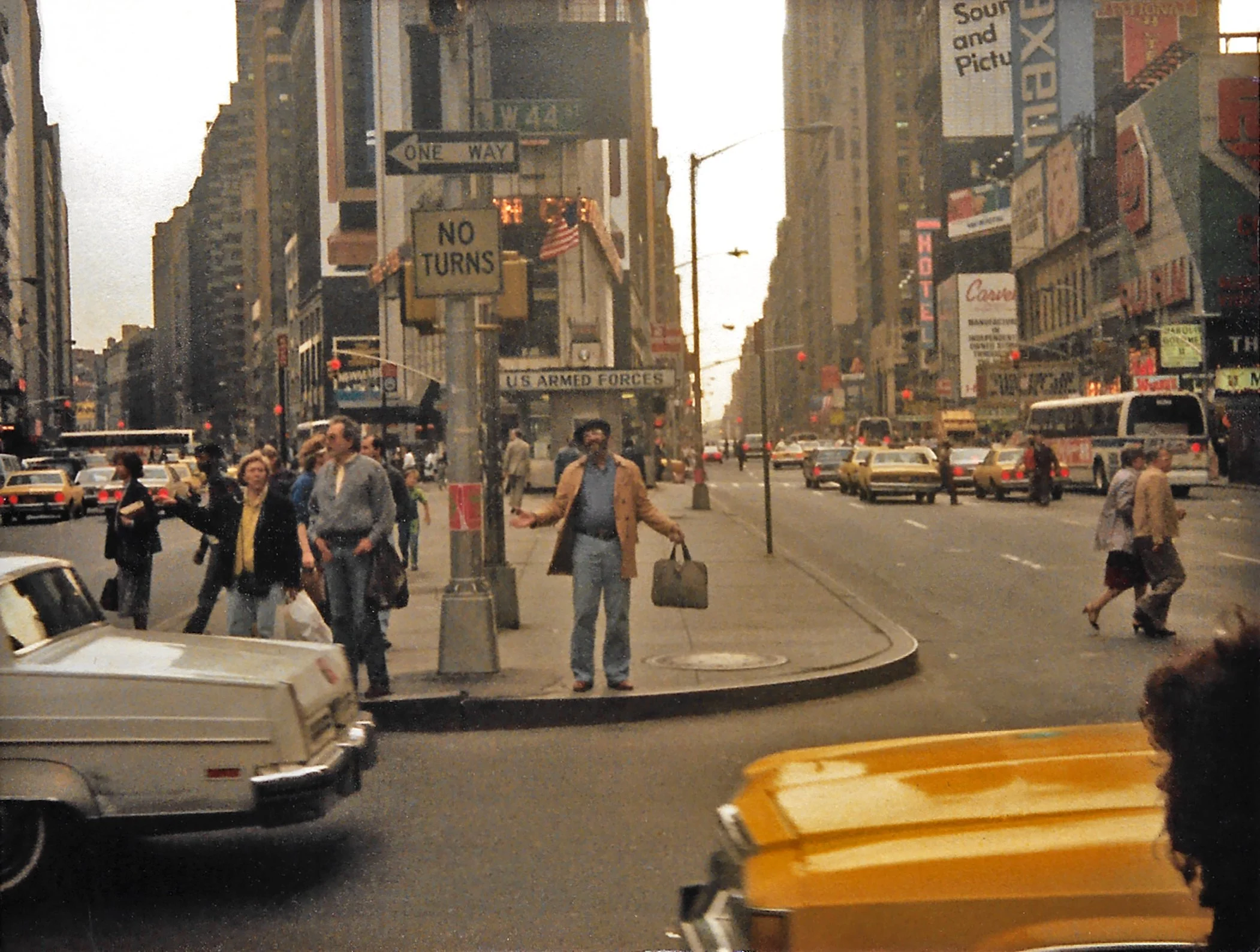
Featured in LWID’s Vinterjazz 2026 column on migration, memory, and Jazz in Denmark—featuring my father, Sahib Shihab, and the wider lineage of Black American artists in Scandinavia. Jazz → Hip Hop → now - not as genres, but as authorship, movement, and a language that reshapes space.
Written by Pratik Hariharan
The story treats Jazz in Denmark as lived history, not nostalgia—a moving story carried through streets, venues, broadcasts, and daily life. It also preserves names, context, and attribution—the kind of storytelling that keeps histories from disappearing into “influence” without credit.
D’Angelo, Brown Sugar, and the Art of Holding Moments
Some artists don’t just release music — they recalibrate culture.
When D’Angelo emerged during the Brown Sugar era, it wasn’t simply a debut album. It was a quiet revolution in Black intimacy, vulnerability, and sonic honesty.
I had the rare opportunity to photograph D’Angelo during this formative moment — not as an observer chasing icons, but as a participant inside a cultural shift that would echo for decades.
Animal New York recently revisited this period in a thoughtful piece reflecting on D’Angelo’s Brown Sugar era. The article explores not only the music, but the emotional and visual atmosphere surrounding him at the time.
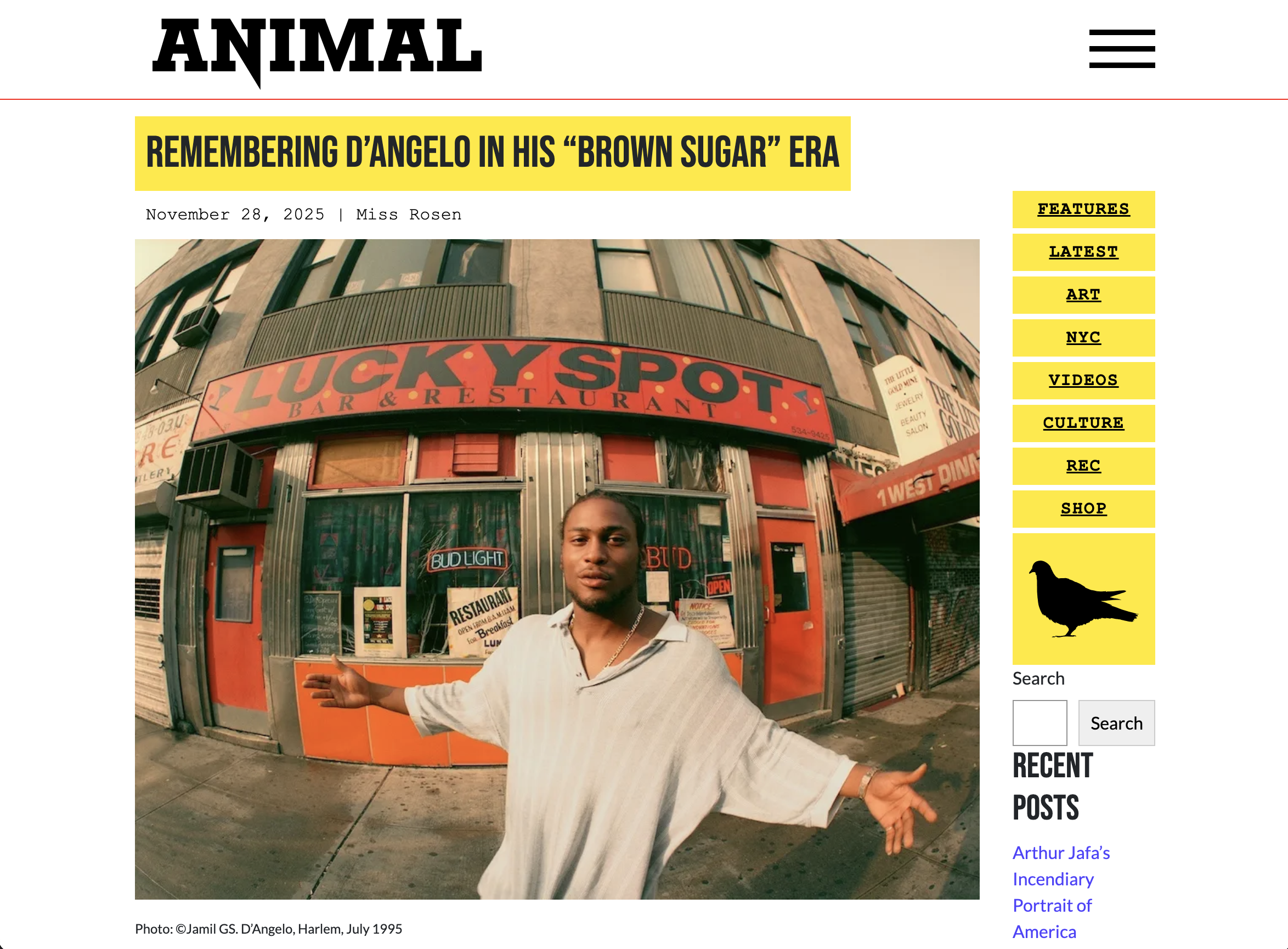
Click image for full story.
What struck me then — and still does now — was D’Angelo’s willingness to be seen without armor. There was no spectacle, no bravado. Just presence.
Photographing him during that era wasn’t about capturing a pose — it was about holding space for stillness. That restraint, in retrospect, feels as important as the music itself.
As I reflect on this moment now — three decades into my archive — I see these images not as nostalgia, but as living artifacts.
They continue to invite reinterpretation, conversation, and new forms — which is why I’ve recently begun collaborating with contemporary artists to reimagine archival work across illustration, animation, and digital space.
D’Angelo’s legacy isn’t frozen in time. It breathes through the artists he influenced, the courage he modeled, and the way his work continues to remind us that vulnerability can be revolutionary.
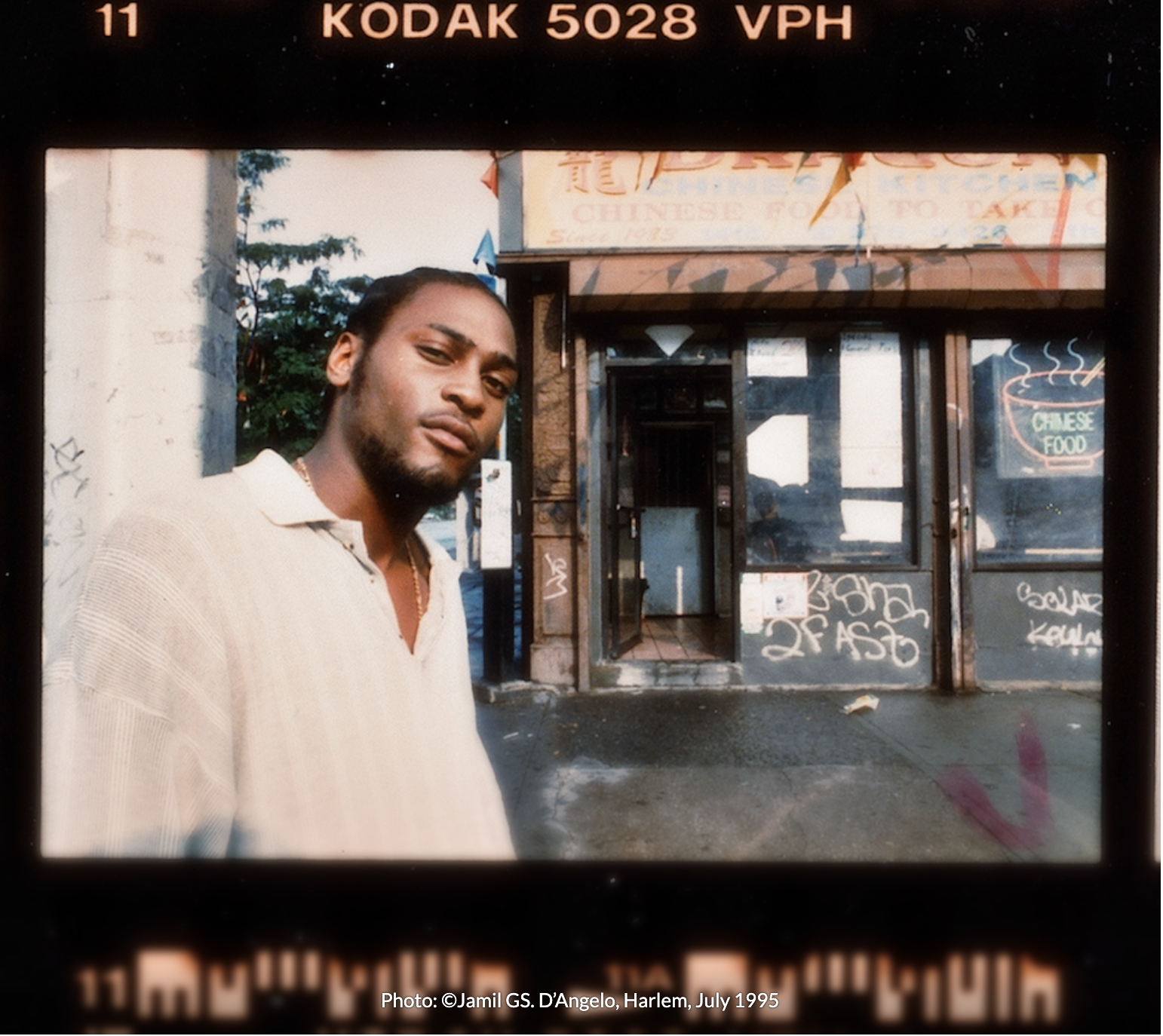
From the archive.
Remembering the Brown Sugar era isn’t about looking back — it’s about understanding how culture moves forward.
Some moments ask to be preserved. Others ask to be reactivated.
My work lives in that space — between memory and momentum.
More from the archive will be shared in the coming weeks.


LA Times - editorial

For including the story on my first shoot with Yasiin Bey aka Mos Def aka Dante Smith as featured in Contact High - The Book Full Story
TV2 - Go'morgen Denmark - feature
For inviting me to the morning show to talk about my exhibition and experiences behind the photos. The host Louise Wollf is a charm. For the full interview click here
